
Full 25-point door and opener safety check with every visit - springs, cables, rollers, tracks, and your LiftMaster or Chamberlain opener included
You get a price before we start. It does not change when the truck arrives.
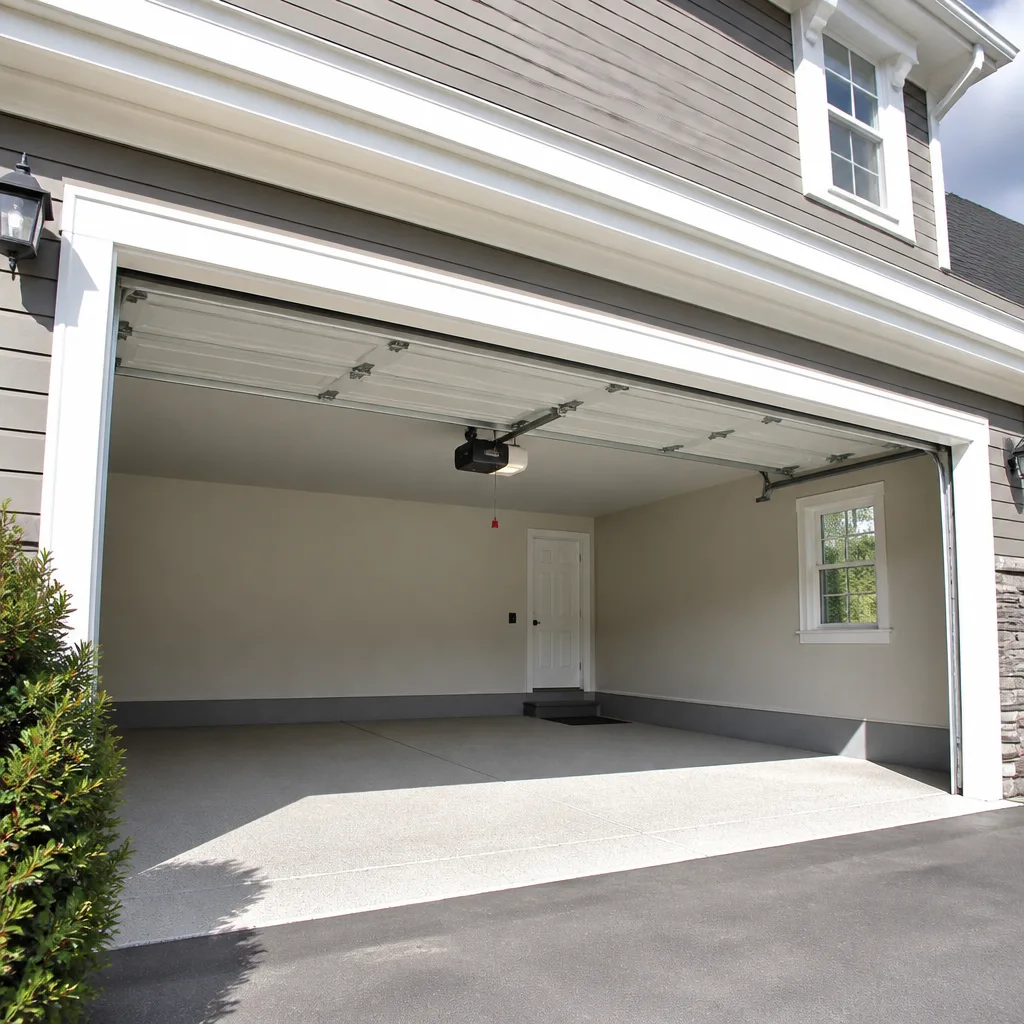
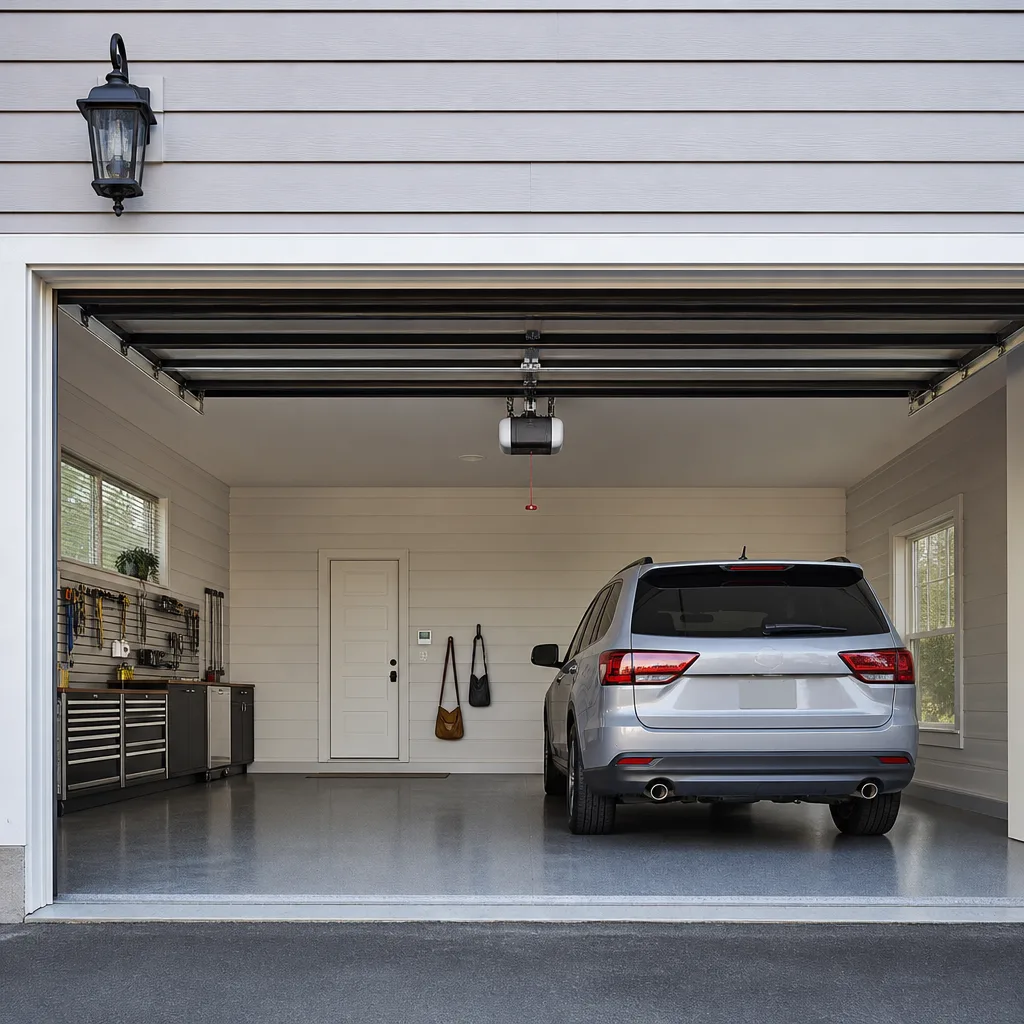
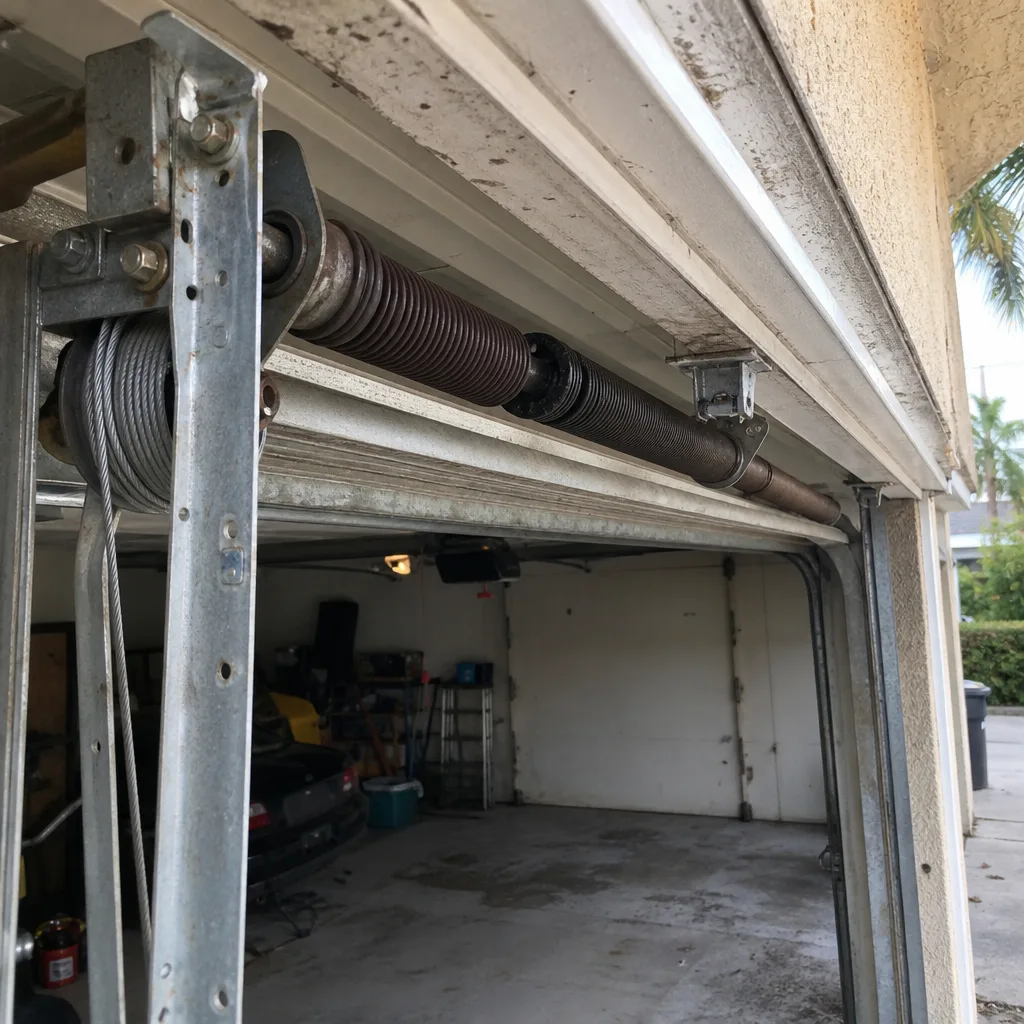 Before
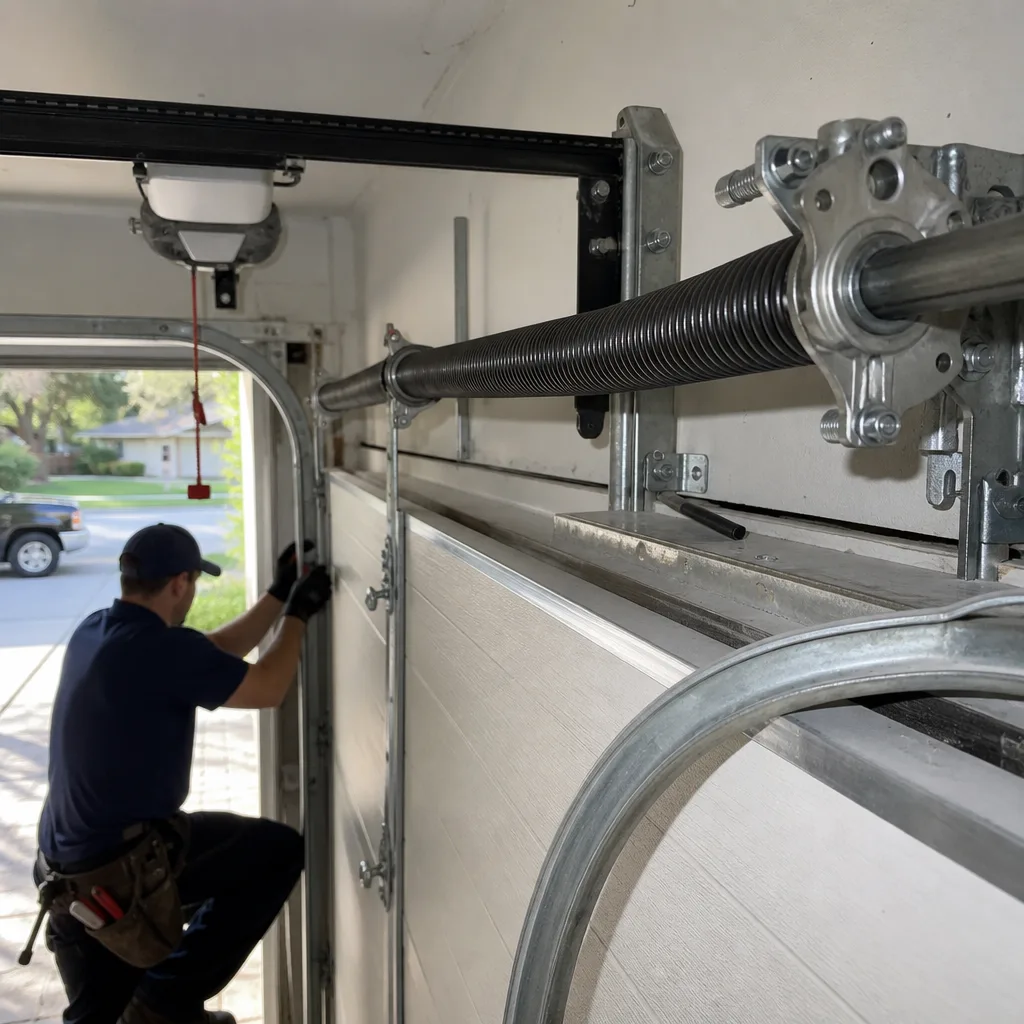 After
After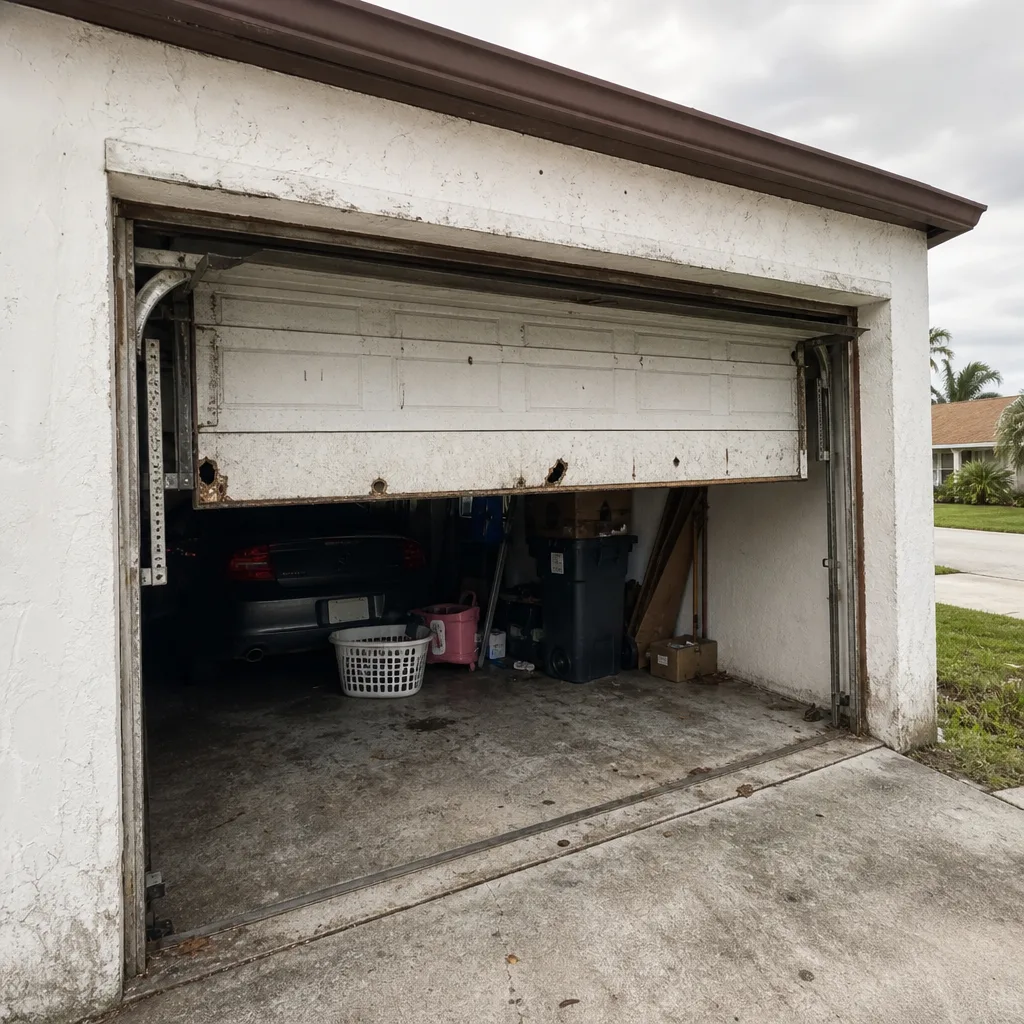 Before
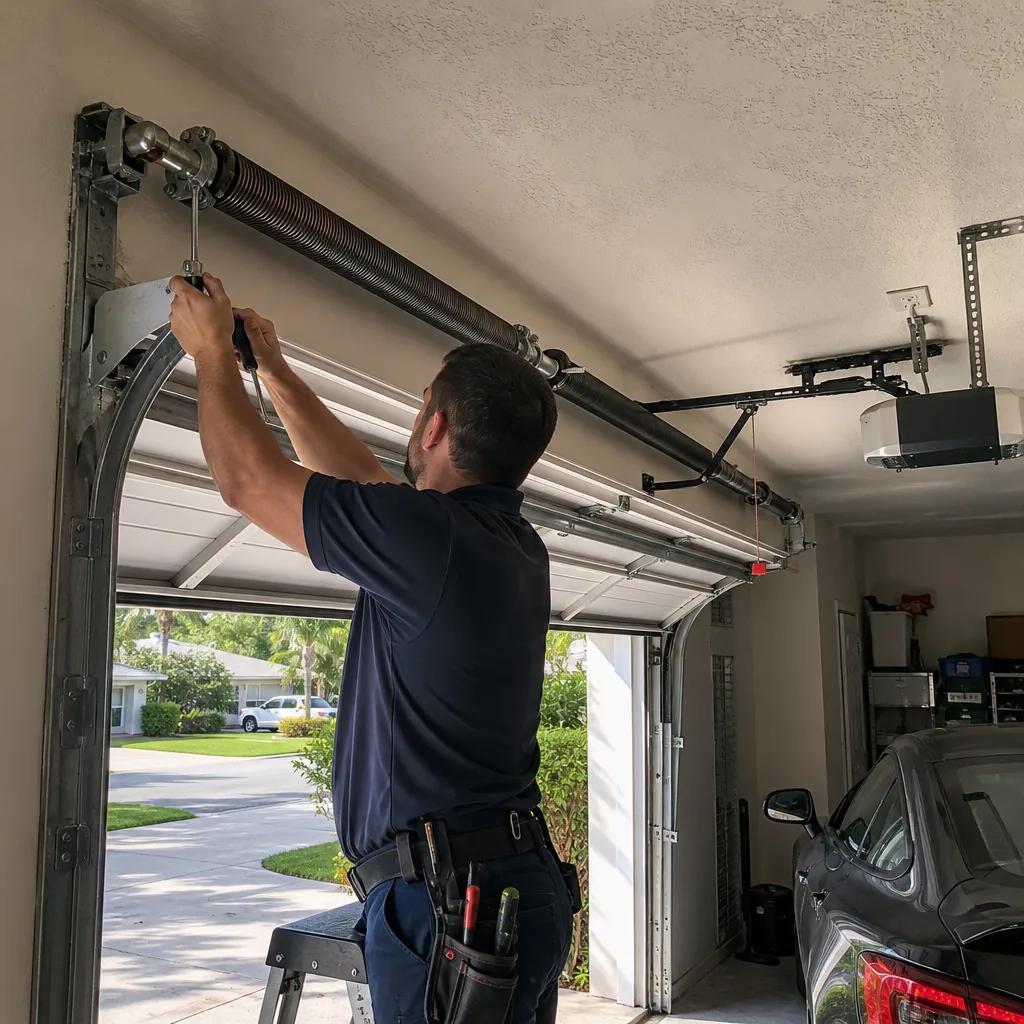 After
After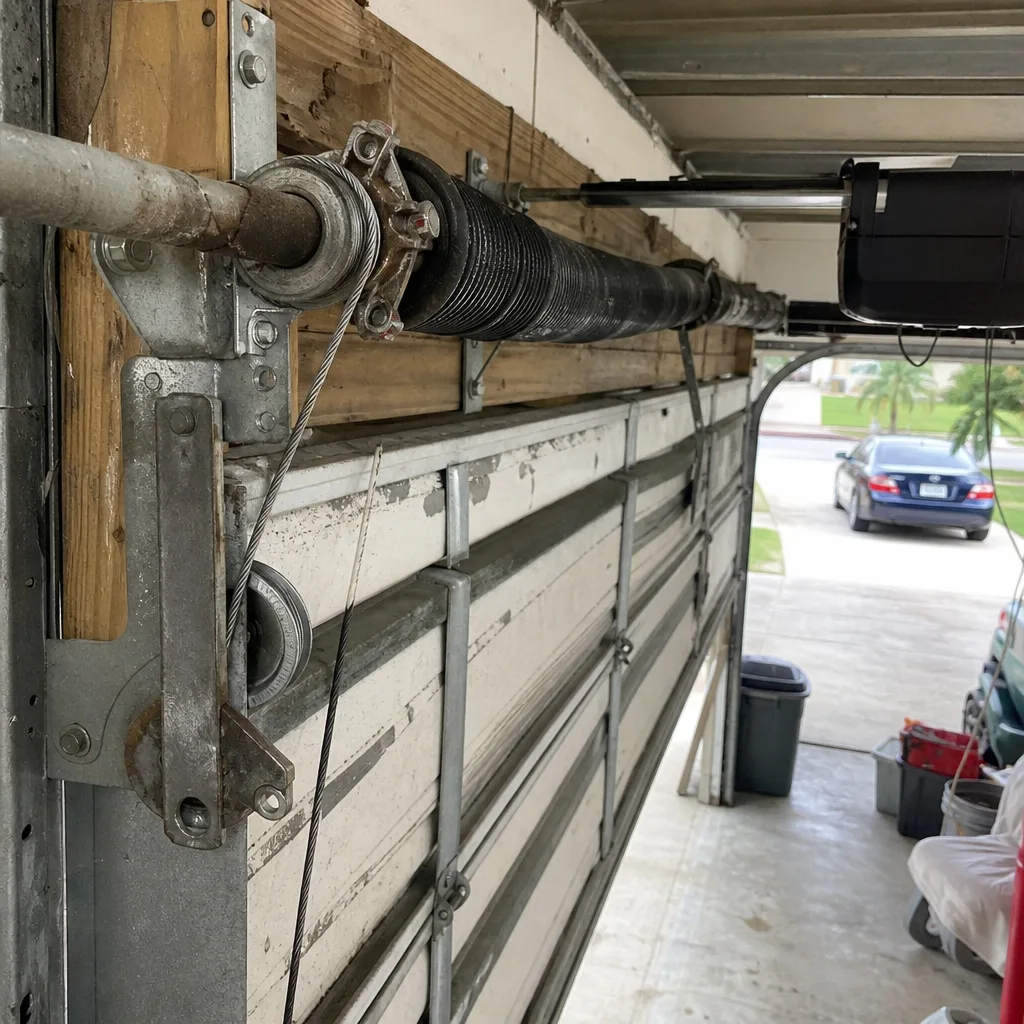 Before
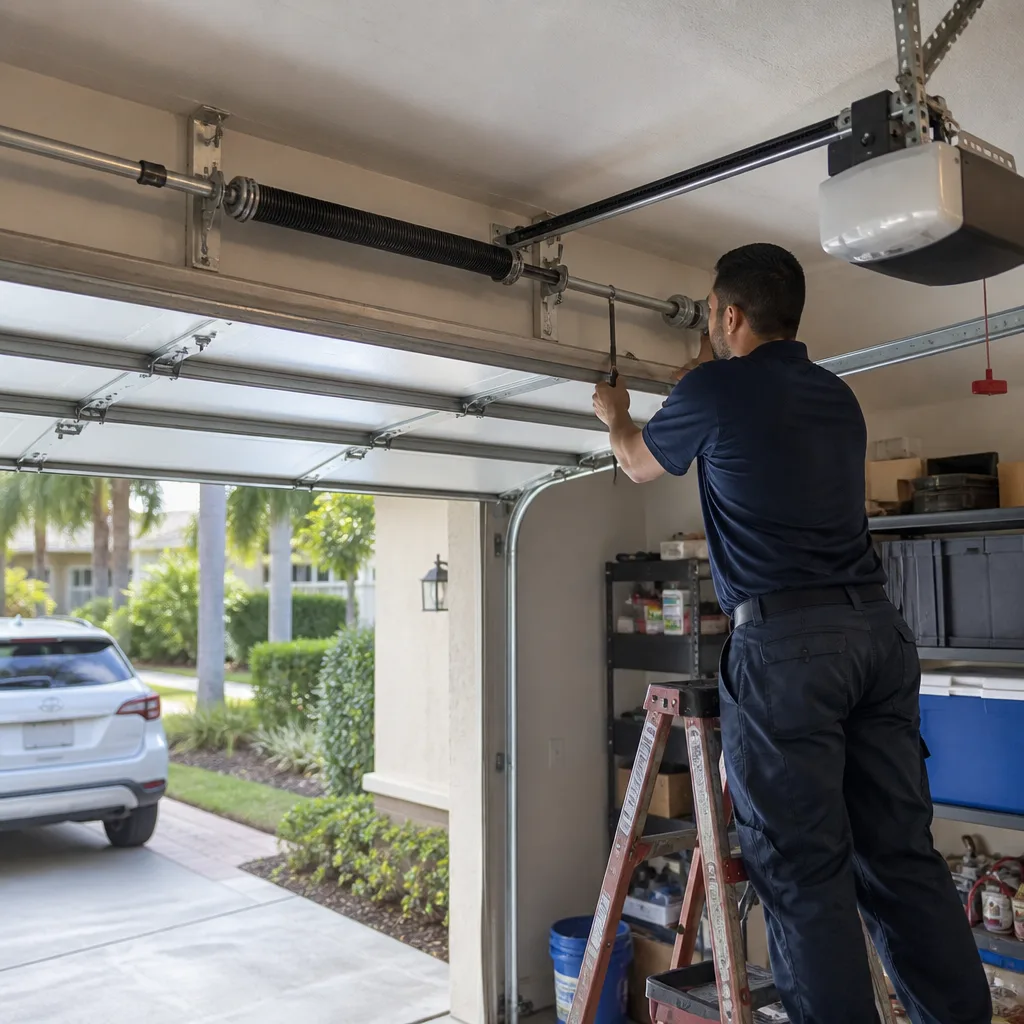 After
AfterAmarr Weather Seal Replacement: The Hollywood Owner’s Guide
We stock and install Amarr-compatible bottom weather seal replacement in Hollywood, FL, with most jobs running $85-$160 installed including the seal, labor, and a documented photo record of the old part and the new one. Same-day service is available when we have your seal profile on the truck, which covers the most common Amarr residential profiles. Most Hollywood homeowners discover the failure the same way: they see daylight under the closed door, or they notice water pooling at the garage floor edge after one of our afternoon downpours.
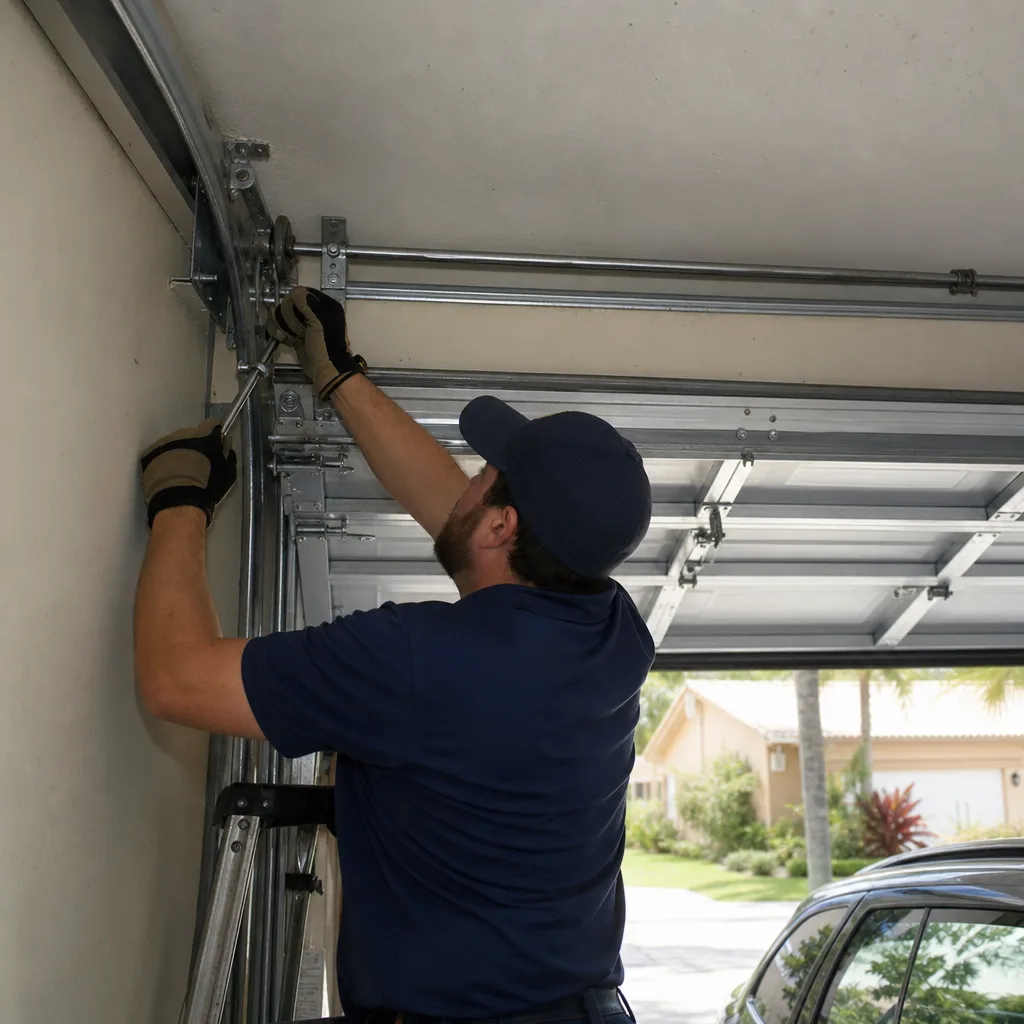
Here’s what gets missed in most online guides: the Amarr bottom seal isn’t one universal part. It’s an extruded vinyl or rubber profile that slides into a retainer channel on the bottom of the door. Match the profile wrong, and the seal either falls out on the first cycle or binds against the track. We photograph the old seal’s cross-section before quoting anything, which is Clause 4 of The Haven Standard in practice: you see the failed part, we name it, then we put a written price in front of you.
Which Amarr Models This Applies To
Amarr uses two dominant bottom retainer systems across its residential line: the T-style channel found on Lincoln, Stratford, and Heritage series doors, and the wider U-channel beaded profile on Olympus, Classica, and the newer-for-2020s Estate series. The difference matters because a T-style seal will not seat in a U-channel retainer, and forcing it stretches the vinyl so the seal sags within months.
How to identify what you have without a part number: look at the bottom edge of the door. A single-piece aluminum retainer with a visible T-shaped slot means you need an Amarr-type T-end seal, typically 3-1/4 inches wide with a center bulb. A U-shaped channel that cradles a round bead at the top of the seal means you need a beaded U-channel profile, usually 4 inches wide for Florida applications where heavier rain contact is normal. The retainer is riveted or screwed to the bottom panel. We match by measuring the channel opening, not by trusting a label that may reference a door model no longer in production.
We stock OEM-spec Amarr profiles and a heavier-gauge aftermarket EPDM rubber option that outlasts the stock vinyl in Hollywood’s heat and salt air. The aftermarket rubber costs about $15-$25 more in material and is the better value if you’re within two miles of the Intracoastal, where salt accelerates vinyl hardening. We’re an independent service provider, not an Amarr affiliate, so we can quote either and show you the price difference before you decide.
Signs Your Amarr Weather Seal Replacement Is Failing
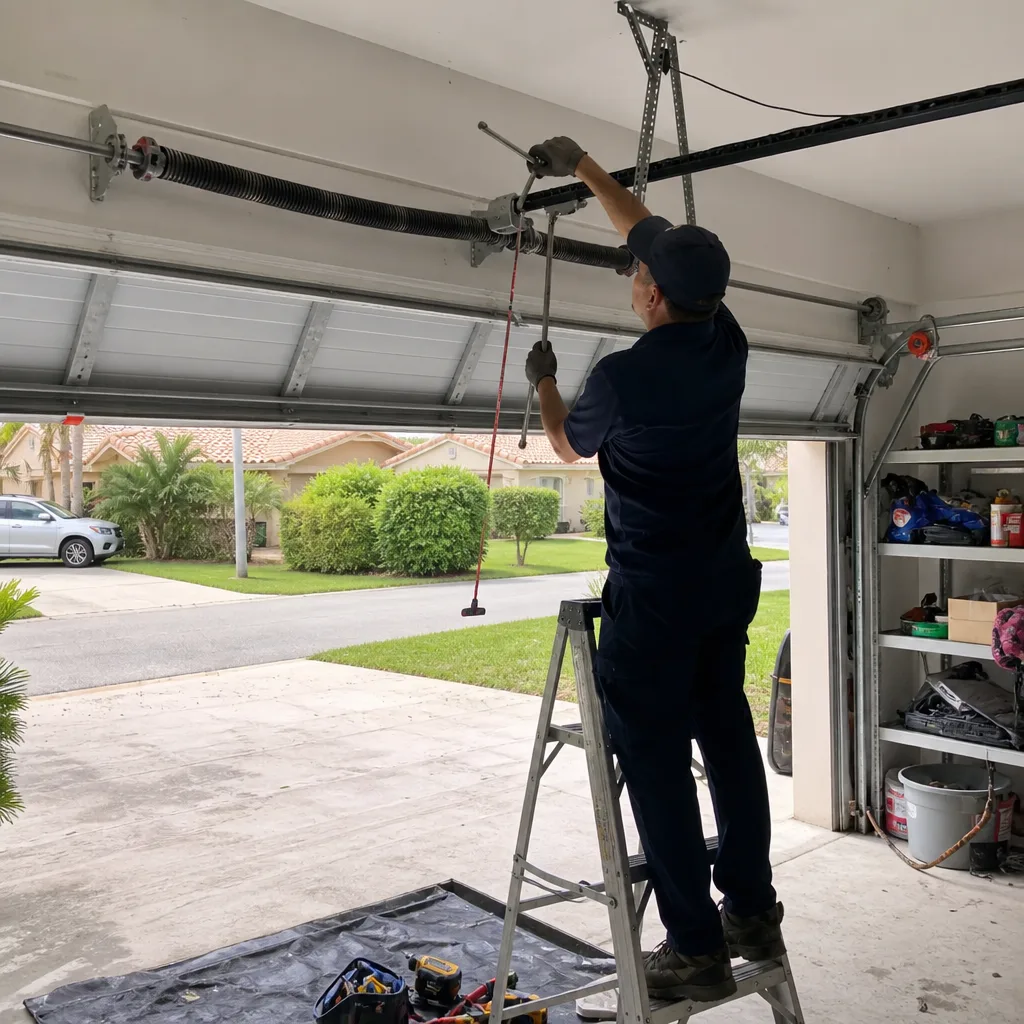
- Daylight visible under the closed door at the floor line. The seal has compressed past recovery or torn at the ends. This is the earliest warning sign and the cheapest point to fix it; ignore it and the floor edge starts taking water.
- Water streaks or pooled water at the garage floor edge after rain. Hollywood’s rainy season exposes a failed seal fast. The water doesn’t just damage what’s on the floor; it wicks into drywall at the garage interior wall base and leads to mold in a climate that already runs humid.
- Visible cracks or a flattened section in the rubber or vinyl. UV exposure and heat cycling harden the material. Once it loses resilience, it stops conforming to uneven concrete and leaves gaps the eye can’t always see from inside.
- Insects and small debris collecting inside along the door threshold. Ants, roaches, and blown leaf litter enter through a failed bottom seal. If you sweep the garage threshold and find grit or insects the next morning, the seal isn’t closing the gap.
- The seal pulls out of the retainer when the door operates. This is usually a profile mismatch or a retainer that’s been bent by impact. Running the door with a loose seal can jam the bottom panel against the track, and that repair costs more than the seal swap.
BeforeAfterReplacement Cost & What’s Included
In Hollywood, we quote $85-$160 installed for a single-door Amarr bottom weather seal replacement. The spread is driven by material: stock vinyl T-end seals run on the lower end, while 4-inch EPDM rubber for coastal homes or U-channel beaded profiles run higher. A two-car garage with a single wide door falls in the same range; the part is longer but the labor is nearly identical.
The written price you get before any work starts includes the seal material, removal of the failed section, cleaning of the retainer channel, installation, and a full test of at least five open-close cycles. The documented photo record shows the old seal’s cross-section, the new seal seated in the retainer, and the finished bottom edge. That’s the paper trail, and it’s included on every visit, not offered as an add-on. Our 365-Day Done Right Promise covers the work: if the seal fails within a year because we installed it incorrectly, we fix it at no charge.
DIY or Call Us?
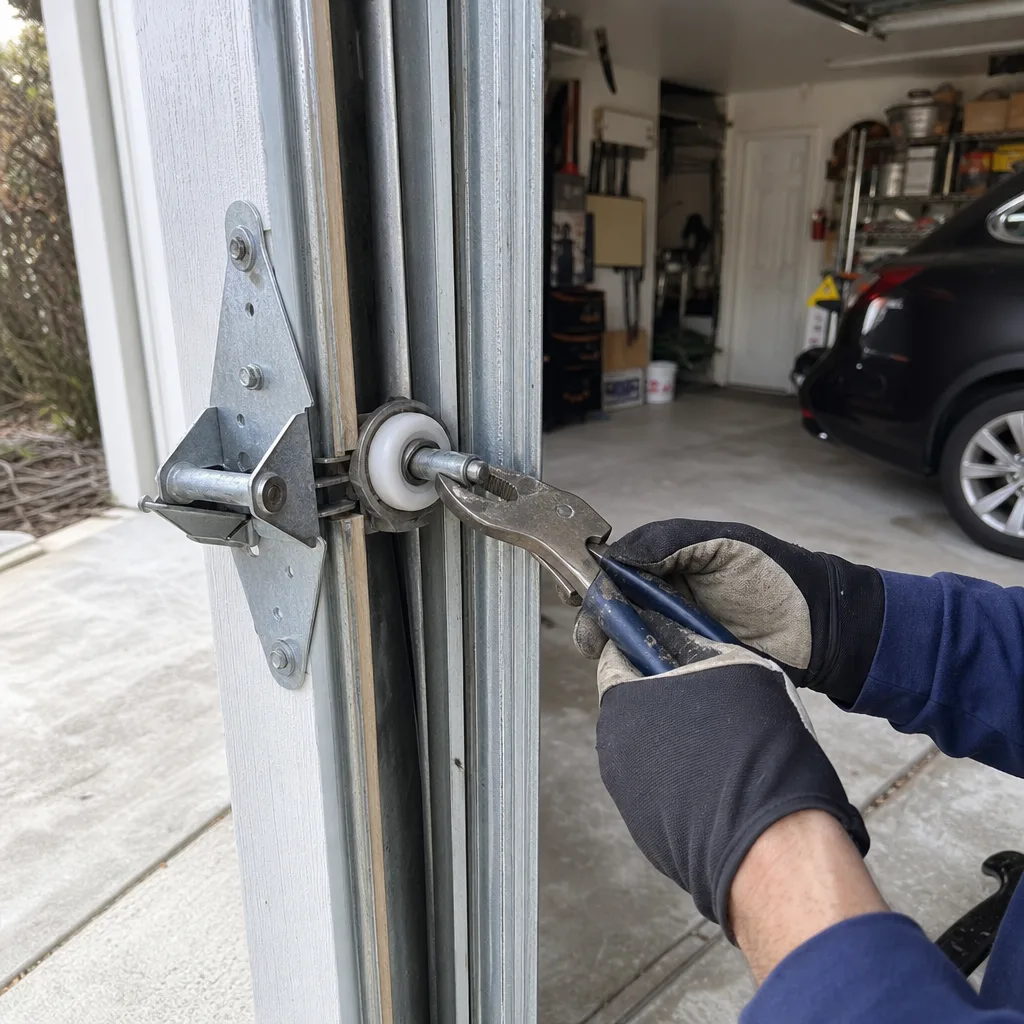
A bottom weather seal replacement is one of the few garage door jobs an owner can realistically attempt without special tools or serious injury risk. The seal itself is not under tension, and sliding a correctly matched profile into a clean retainer is straightforward work. The failure point in most DIY attempts is identifying which profile you have: homeowners order a generic seal online, guess at the profile, and end up with a part that falls out or tears on the first cycle.
If you want to inspect first, check whether your retainer is T-style or U-channel and measure the channel opening. If you’re certain of the match, a $20-$40 seal from a reputable supplier and an hour of your time is reasonable. If you’re not certain, or if you’d rather someone own the fit and the outcome, that’s what we do. This is not a high-tension spring or a cable under load, so the risk is to your time and money, not your fingers. Call (754) 465-7645 and we’ll name the profile, quote the range, and show you the written price before a tool comes out.
FAQs
In Hollywood’s heat, UV, and salt-air environment, a factory vinyl Amarr seal typically lasts 3 to 5 years before hardening or tearing, while a heavier EPDM rubber replacement typically runs 5 to 8 years. Homes near the Intracoastal or directly on the beach fall on the shorter end. We note the material condition and expected lifespan in the written scope so you know when to plan the next replacement.
A torn or hardened bottom seal cannot be reliably repaired; the material loses flexibility across the entire section, not just where damage is visible. Patching with adhesive fails within weeks as the door cycles. Replacement is the correct repair, and it’s the least expensive part on the bottom of the door. Call (754) 465-7645 and we’ll confirm whether yours is salvageable with a photo and a straight answer.
Most single-door Amarr weather seal replacements take 45 to 75 minutes, including removing the old seal, cleaning the retainer channel, and testing the door. If the retainer itself is bent or corroded, we’ll photograph it and quote the additional work in writing before proceeding. You’ll have the documented photo record in hand before we leave.
We keep the most common Amarr T-end and U-channel profiles stocked on service vehicles, along with EPDM rubber alternatives for coastal homes. If we don’t have your exact profile on board, we’ll have it within one business day and schedule the install at a time that works for you. Your written quote covers either scenario, so there’s no surprise change order when the truck arrives.
Written by Marcus Deller, Owner, Servo Garage Doors Hollywood at Servo Garage Doors Hollywood, serving Hollywood and nearby areas.